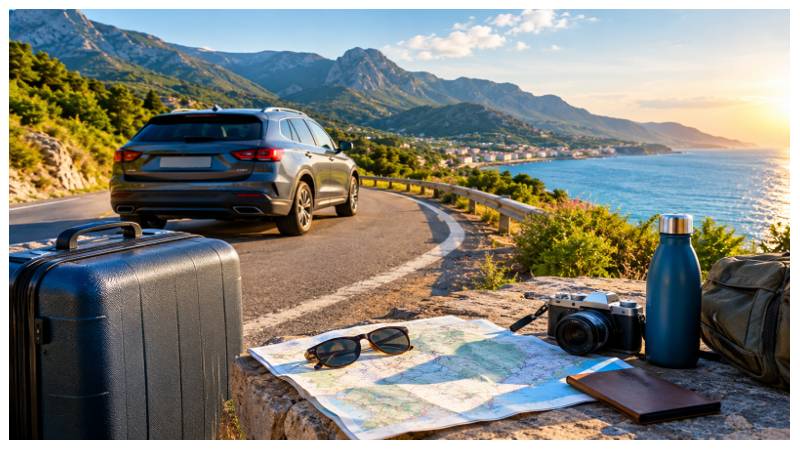
Traveling by car offers freedom, comfort, and flexibility that many other transportation methods cannot provide. Whether you are planning a short weekend escape, a family holiday, or a longer road trip, having access to a suitable vehicle can make the journey easier. Car travel allows travelers to choose their routes, stop whenever necessary, and explore places that may not be easily accessible by public transportation.
The phrase Car Travel on PaxTravelTweaks refers to exploring car-based travel options, planning road journeys, and understanding the transportation details connected with travel offers. The exact services, inclusions, and conditions can vary depending on the selected offer, destination, and booking arrangements.
Before making a reservation, travelers should review the available vehicle options, travel dates, rental conditions, insurance details, and additional costs. Proper preparation helps create a smoother experience and reduces the possibility of unexpected expenses.
1. What Is Car Travel on PaxTravelTweaks?
Car travel on PaxTravelTweaks focuses on using a private vehicle, rental car, or arranged road transportation as part of a travel plan. Instead of depending entirely on trains, buses, or flights, travelers can use a car to move between destinations at their own pace.
Depending on the offer, car travel may involve a rental vehicle, a private transfer, a self-drive arrangement, or transportation connected with accommodation and activities. However, travelers should check the individual offer to understand what type of car service is provided.
Important details may include the vehicle category, pickup location, rental period, mileage allowance, fuel policy, insurance coverage, and return requirements. Reviewing these details before booking helps travelers choose an arrangement that suits their needs and budget.
Why Car Travel Is Popular Among Travelers
Car travel remains popular because it provides greater control over a journey. Travelers can decide when to leave, where to stop, and how long to stay at different locations. This flexibility is especially useful for families, groups, and people visiting destinations outside major cities.
A car can also make luggage management easier. Travelers do not need to carry bags between multiple buses or trains, and they can keep essential belongings nearby throughout the journey.
Another advantage is privacy. Passengers can enjoy their own space, select their preferred music, and take breaks whenever necessary. Although driving requires planning and attention, the overall experience can be convenient and enjoyable when the route is prepared properly.
2. Car Travel on PaxTravelTweaks
Understanding Car Travel Options
Car travel options can differ according to the destination and type of travel offer. Some plans may involve renting a car for the entire trip, while others may provide transportation only for specific transfers or activities.
A self-drive rental gives travelers control over their daily schedule. A private transfer, on the other hand, may be more suitable for people who prefer not to drive in an unfamiliar location. Some travelers may also choose a vehicle with a driver when navigating busy cities or unfamiliar roads.
Before selecting an option, consider the number of passengers, amount of luggage, driving distance, road conditions, and level of flexibility required. The best choice is not always the most expensive vehicle; it is the one that fits the journey comfortably and practically.
How Car Travel Fits Into Travel Offers
Car travel can be included in different parts of a travel plan. It may connect an airport with a hotel, provide transportation between destinations, or support sightseeing during a road trip.
When reviewing a travel offer, identify exactly how the car service fits into the itinerary. Check whether the vehicle is available for the entire booking period or only for certain dates and transfers.
It is also important to understand whether travelers must arrange the vehicle themselves or whether the transportation is organized through the offer. Clear information about responsibility, pickup arrangements, and return procedures can prevent confusion during the trip.
Choosing the Right Car Travel Plan
Choosing the right car travel plan begins with understanding your personal travel requirements. A small car may be suitable for two travelers with limited luggage, while a larger vehicle may be more comfortable for families or groups.
Consider the length of the journey, road conditions, parking availability, and fuel efficiency. If the trip includes mountain roads or rural areas, a vehicle with suitable performance may be more appropriate.
Travelers should also compare flexibility, included services, and total costs. Read the offer conditions carefully and avoid choosing a plan based only on its advertised starting price.
4. Planning a Car Journey
Selecting Your Destination
Your destination will influence almost every part of the car travel experience. City trips may require careful parking and traffic planning, while countryside journeys may require additional fuel stops and navigation preparation.
Think about the places you want to visit and how far they are from one another. A destination that looks close on a map may take longer to reach because of road conditions, traffic, or difficult terrain.
It can be helpful to divide the journey into manageable sections. This allows you to plan accommodation, meal stops, sightseeing, and rest periods without making the itinerary too demanding.
Checking Travel Dates and Routes
Travel dates can affect traffic, road conditions, rental availability, and accommodation prices. Before confirming a booking, check whether your selected dates are suitable for the destination.
Review the planned route and identify major roads, alternative routes, fuel stations, parking areas, and possible rest stops. Navigation applications can be useful, but travelers should not depend entirely on digital directions.
If you are traveling during a busy season, allow extra time for congestion. Checking route conditions before departure can help you avoid unnecessary delays.
Estimating Travel Time
Estimating travel time requires more than checking the distance between two locations. You should also consider traffic, road quality, weather, stops, and the experience level of the driver.
Avoid planning a schedule that requires continuous driving for long periods without breaks. A realistic estimate gives you time to rest and enjoy the journey instead of feeling rushed.
If your arrival time is connected to a hotel check-in, flight, or activity reservation, leave a reasonable time margin for unexpected delays.
Preparing a Flexible Itinerary
A flexible itinerary makes car travel more enjoyable. Although it is useful to plan important stops, leaving some free time allows you to respond to changes in weather, traffic, or personal energy levels.
Plan the essential parts of the journey first, such as accommodation and major reservations. Then add optional attractions and activities that can be adjusted if needed.
Flexibility is particularly valuable during road trips because travelers may discover interesting viewpoints, local restaurants, markets, or small towns along the way.
5. Car Rental and Vehicle Options
Choosing a Suitable Vehicle
The vehicle should match the size and needs of your travel group. Consider passenger space, luggage capacity, fuel efficiency, comfort, and driving conditions.
A compact vehicle may be economical for city travel, while a larger car may be more suitable for families or long journeys. Travelers visiting areas with rough roads or steep routes should confirm that the selected vehicle is appropriate.
Comfort is also important. Features such as air conditioning, adjustable seating, navigation support, and sufficient storage can improve the overall experience.
Understanding Rental Requirements
Car rental companies may require identification, a valid driving license, payment details, and other documents. Some locations may also have age restrictions or additional requirements for international drivers.
Before booking, review the rental company’s rules carefully. Check the required documents, deposit policies, payment methods, and pickup procedures.
If more than one person will drive, confirm whether additional drivers must be registered. Driving without meeting the rental requirements can create serious problems during the trip.
Checking Insurance and Safety Coverage
Insurance details should never be overlooked. Travelers should understand what coverage is included and whether additional protection is available or required.
Review information about damage, theft, accidents, liability, and any applicable excess or deductible. The terms can vary by provider and location, so it is important to read the conditions rather than relying on general assumptions.
Travelers should also confirm what to do in case of an accident or vehicle breakdown. Keeping emergency contact information available can make it easier to receive assistance when needed.
Reviewing Fuel and Mileage Policies
Fuel and mileage policies can significantly affect the final rental cost. Some arrangements may include a full-to-full fuel policy, while others may use different rules.
Check whether the vehicle must be returned with a specific fuel level. Also review whether the booking includes unlimited mileage or a daily distance allowance.
If the journey involves long road trips, mileage restrictions can become important. Understanding these rules in advance helps travelers plan accurately and avoid additional charges.
6. Costs and Budget Planning
Estimating Transportation Expenses
A realistic travel budget should include more than the basic vehicle or rental price. Consider fuel, tolls, parking, insurance, deposits, additional drivers, and possible service charges.
If the car is part of a wider travel offer, review whether transportation costs are included in the advertised package price or listed separately.
Creating a simple expense estimate before departure can help you compare options and avoid financial surprises.
Fuel, Tolls, and Parking Costs
Fuel expenses depend on the vehicle, distance, road conditions, and fuel prices in the destination area. A fuel-efficient car may be helpful for longer journeys.
Tolls are another possible expense, particularly when using highways or bridges. Research the route in advance to identify toll roads and available payment methods.
Parking costs can also vary widely between city centers, hotels, attractions, and public parking areas. Check parking availability before visiting busy destinations.
Comparing Car Travel With Other Options
Car travel should be compared with trains, buses, flights, and private transfers. The best choice depends on distance, group size, flexibility, comfort, and total cost.
For a group, sharing one vehicle may be practical. For a solo traveler visiting a major city, public transportation may be more economical and easier.
Compare the complete journey rather than focusing on one price. Include transfers, luggage costs, parking, and the time required for each option.
Avoiding Unexpected Charges
Unexpected charges often result from unclear terms. Before booking, review cancellation rules, fuel requirements, mileage limits, insurance conditions, deposits, and late-return policies.
Take photographs of the vehicle when collecting it and report any existing damage according to the rental provider’s instructions. This can help avoid disputes later.
Keep receipts and booking documents until the journey is complete. Organized records make it easier to review charges or request clarification if necessary.
7. Benefits of Car Travel
Flexible Travel Schedules
Car travel allows travelers to create a schedule that matches their preferences. You can leave early, stop for breakfast, change your route, or spend more time at an interesting destination.
This flexibility is especially useful when visiting several locations during one trip.
Comfortable and Private Journeys
A private vehicle can provide a comfortable environment for passengers. Travelers can control the temperature, music, seating arrangements, and rest stops.
This can be particularly beneficial for families with children or travelers carrying large amounts of luggage.
Exploring More Destinations
Cars make it easier to reach smaller towns, natural attractions, scenic viewpoints, and locations away from major transportation networks.
Travelers can discover places that may not be included in traditional sightseeing routes.
Convenient Luggage Management
With a car, travelers can keep luggage in one place instead of moving it repeatedly between transportation services.
However, valuables should not be left visible inside the vehicle. Travelers should use secure storage and follow local safety recommendations.
8. Safety Tips for Road Travel
Inspecting the Vehicle Before Departure
Inspect the vehicle before starting the journey. Check the tires, lights, mirrors, brakes, fuel level, and visible body condition.
Make sure you understand how to operate essential features such as headlights, windshield wipers, emergency brakes, and navigation systems.
Following Local Traffic Rules
Traffic rules may differ between destinations. Learn about speed limits, road signs, parking restrictions, toll systems, and driving-side requirements.
Always wear seat belts, avoid distracted driving, and never drive while tired or under the influence of alcohol or other impairing substances.
Planning Rest Stops
Long journeys require regular breaks. Rest stops help drivers stay alert and allow passengers to stretch, eat, and refresh themselves.
If possible, share driving responsibilities with another qualified driver. Never continue driving when you feel sleepy or unable to concentrate.
Preparing for Weather Changes
Weather can affect visibility, road surfaces, and travel time. Check forecasts before departure and prepare for rain, heat, fog, snow, or strong winds when relevant.
Carry water, a phone charger, basic emergency supplies, and suitable clothing. In difficult conditions, slowing down or postponing travel may be the safest decision.
9. Making the Most of Car Travel With PaxTravelTweaks
Reviewing Offer Details
Read the complete travel offer before making a reservation. Confirm the vehicle type, rental period, pickup location, included services, and payment conditions.
Avoid relying only on short promotional descriptions. The detailed terms usually provide the most useful information.
Checking Hotel and Meal Inclusions
If the car journey is part of a larger package, check whether hotels, meals, activities, or transfers are included.
Understanding these details helps you coordinate driving times with hotel check-in, restaurant reservations, and scheduled activities.
Confirming Pickup and Drop-Off Information
Confirm where and when the vehicle will be collected and returned. Some locations may require travelers to visit a specific desk, office, or meeting point.
Ask about after-hours returns, required documents, fuel levels, and vehicle inspection procedures.
Keeping Important Documents Ready
Keep your driving license, identification, booking confirmation, insurance information, payment details, and emergency contacts accessible.
Digital copies can be useful, but important documents should also be available offline in case internet access is limited.
10. Common Questions About Car Travel on PaxTravelTweaks
Is Car Travel Included in Every Offer?
Car travel is not necessarily included in every travel offer. Inclusions depend on the destination, package type, dates, availability, and booking conditions.
Always check the individual offer to confirm whether a vehicle or transfer is included.
Can Travelers Choose Their Vehicle?
Vehicle choice depends on the rental provider and the selected offer. Some arrangements may allow travelers to choose a vehicle category, while others may assign a suitable vehicle based on availability.
Review the booking details to understand what choices are available.
Are Fuel and Parking Costs Included?
Fuel and parking costs are not automatically included in every arrangement. These expenses depend on the specific offer and rental conditions.
Check the terms carefully and include possible fuel, toll, and parking charges in your travel budget.
How Can Travelers Check Car Travel Details?
Travelers can check car travel details by reviewing the selected offer, booking confirmation, and applicable rental conditions.
Important information includes vehicle type, pickup and return times, insurance, mileage, fuel policy, additional charges, and required documents.
Final Thoughts
Enjoying a Smooth Car Travel Experience
Car travel can make a holiday more flexible, comfortable, and enjoyable when it is planned carefully. The Car Travel on PaxTravelTweaks option can help travelers explore road-based transportation arrangements while considering routes, vehicles, costs, safety, and travel schedules.
The most important step is to review the specific offer before booking. Confirm what is included, understand the rental requirements, estimate the full cost, and prepare for different road and weather conditions.